Resilience in the Fields — A Year After Helene
During a recent trip to the Asheville area, we had the chance to join a group tour of Two Trees Farm, a local farm that had been deeply affected by Hurricane Helene around this time last year. During the scenic drive through the charming mountains and hillsides, it almost seemed too surreal that one of the most catastrophic events in North Carolina’s history took place there less than a year earlier.
The farm was not what we had pictured—no sweeping fields of crops or rows of industrial equipment. Instead, it was modest, tucked into the hills, quietly growing food that nourishes its community. And yet, its significance was undeniable. This farm, like so many others in the region, is a vital thread in the fabric of the state’s local food and health system. In fact, western North Carolina is home to 9,109 farms covering 811,767 acres according to the 2022 Census of Agriculture, the majority of which are considered small or mid-sized.
Helene devastated thousands of families, businesses, and farms across the state. In western North Carolina, where agriculture is deeply woven into the economy and culture, the storm’s impact was especially severe. Small farms—many of them family-run—lost crops, infrastructure, and months of income. It is estimated that 86 percent of farms were damaged in the storm.
These farms do not just feed people; they support local economies, preserve land, and connect communities of North Carolinians to fresh, healthy food. Their recovery was not just about rebuilding—it was about restoring a critical natural resource.
After Helene, the Blue Cross NC Foundation prioritized aiding affected farms, many of which we had supported through partnerships. Working with regional community groups, we provided resources to help growers recover from significant losses. Despite hundreds of farms impacted and millions lost, we saw farmers rebuild and recommit, organizations provide essential support, and a shared belief that food connects and sustains communities.
Investing in Recovery Through Local Food Systems
In the wake of Helene’s destruction, our response was not just about emergency relief—it was also about long-term recovery. Rebuilding farms was not simply restoring livelihoods; it was restoring a vital part of North Carolina’s food and health infrastructure. Small farms are the backbone of rural economies and a key source of fresh, nutritious food for communities across the state. Their survival matters—not just to the farmers themselves, but to schools, hospitals, food hubs, and families who rely on what they grow.
One key organization contributing to post-Hurricane Helene recovery is Appalachian Sustainable Agriculture Project (ASAP), which plays a pivotal role in strengthening the local food system across western North Carolina. Through its work connecting farmers to markets, linking consumers with locally grown food, and promoting regional economic and community health, ASAP has been instrumental in rebuilding efforts and fostering long-term resilience in the region.
ASAP’s Executive Director, Molly Nicholie said, “Helene had such different impacts across farms in the region. We had some farms who felt very untouched from physical damage from the storm and others that literally had their topsoil washed away. Even those that did not sustain a huge amount of physical damage to their farm, lost market outlets to sell, and schools were closed for weeks and months.”
With that in mind, we focused on supporting organizations that could help these farms recover and thrive. Through partnerships with organizations like ASAP, we worked to channel resources to growers who had lost everything—from crops and equipment to access to markets.
These efforts were not just about stop gap solutions; they were about strengthening the system. We saw firsthand how community-based organizations stepped up, offering technical assistance, financial support, and a deep understanding of local needs. Their work helped stabilize the region and laid the groundwork for a more resilient food future.
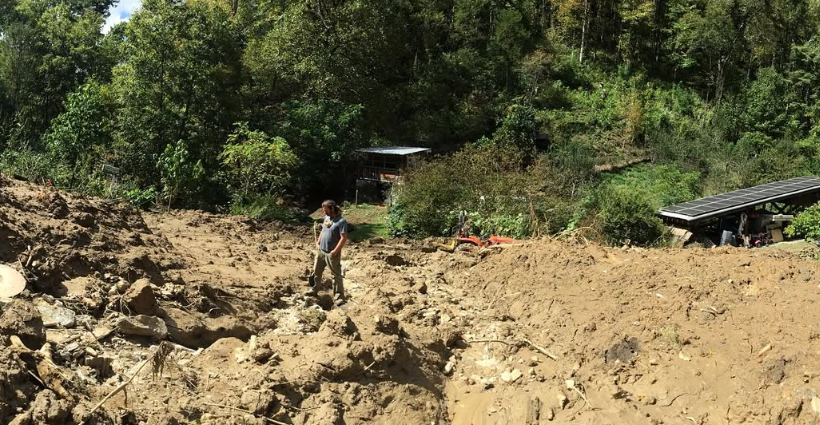
A powerful example of this resilience in action was on full display on our visit to Two Trees Farm, which is located just outside Asheville in Canton, North Carolina. Like so many farms like it in the region, it was hit hard by Hurricane Helene. During the visit, we found ourselves standing in a spot that, unbelievably, had been buried under several feet of mud less than a year ago. The landslide was so massive that the mud would have been well over our heads.

“When Helene hit, it buried half of our farm in a landslide. The intense rainfall also caused the creeks to overflow, washing out much of the remaining land. We looked out our front door, and where there had once been a vibrant, ecologically based farm, there was now a wall of mud piled five or six feet deep.”
Sara Martin
Owner, Two Trees Farm
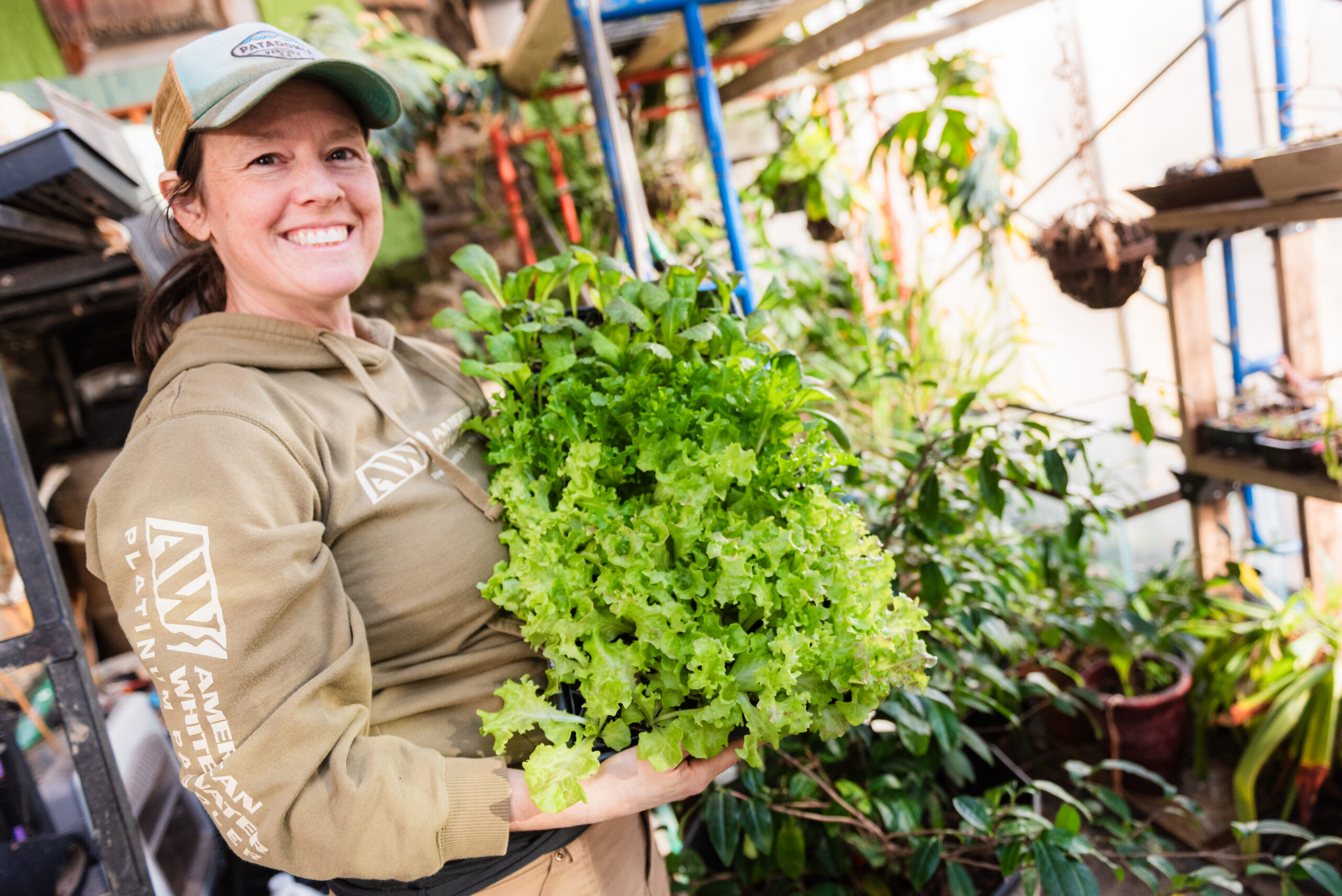
Sara Martin, who owns and operates the farm, described the impact vividly: “When Helene hit, it buried half of our farm in a landslide. The intense rainfall also caused the creeks to overflow, washing out much of the remaining land. We looked out our front door, and where there had once been a vibrant, ecologically based farm, there was now a wall of mud piled five or six feet deep.”
The damage was not only physical—it was deeply personal. “We lost about 70% of our crops,” Sara explained. “It was not just what we were harvesting at the time, but also our storage crops. That loss affected our income for the rest of the year. We had almost no revenue until we could rehabilitate the land. And beyond the financial strain, there was the emotional trauma of having to flee our home and seek shelter while the storm raged on.”
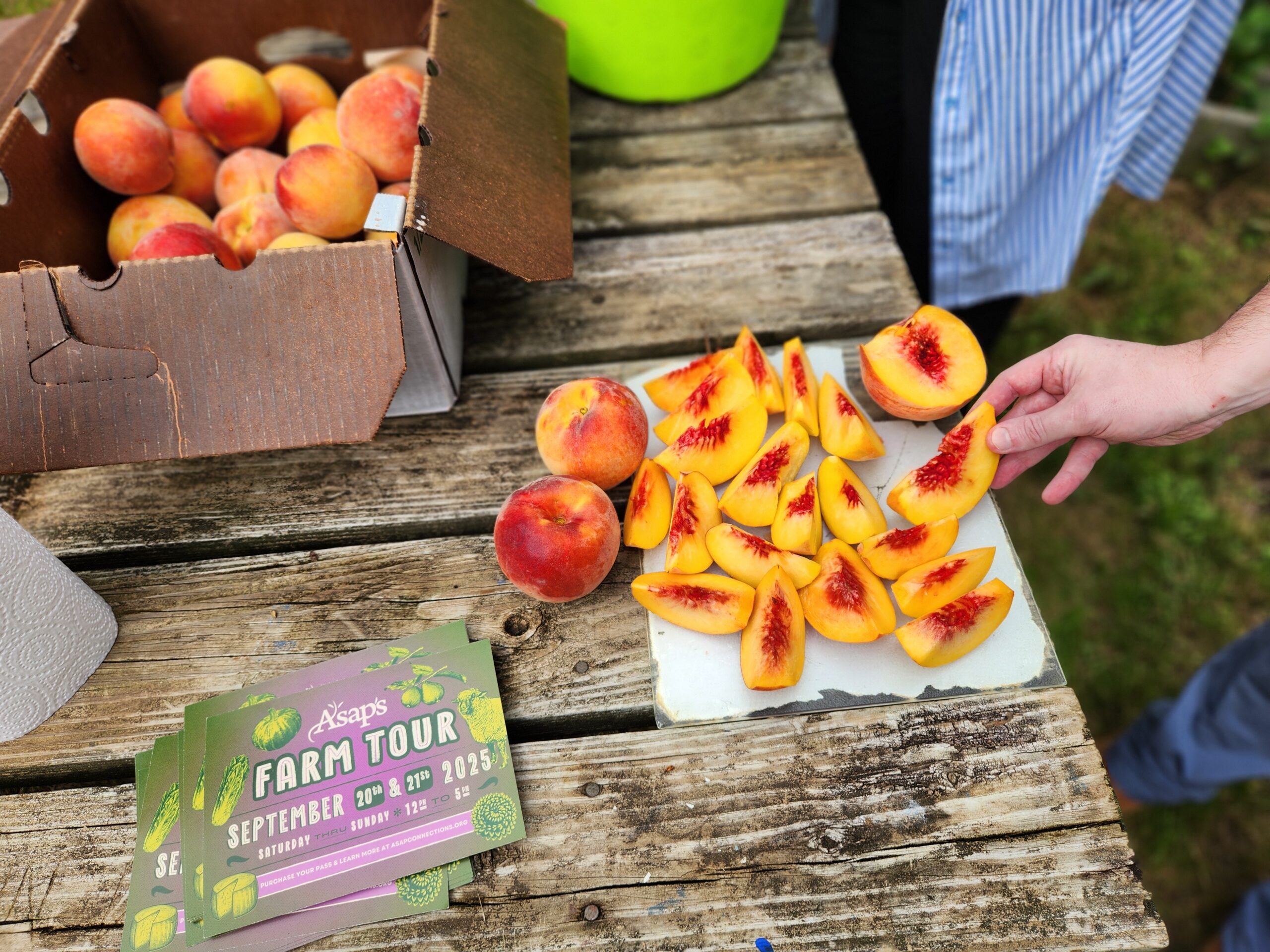
The farm is a part of ASAP's Appalachian Grown network of nearly 700 farms in the region. In the wake of Hurricane Helene, they received an immediate needs grant from the nonprofit which helped connect them to other sources for financial relief. Two Trees Farm is also part of ASAP's Double SNAP and Produce Prescription programs for SNAP and Medicaid eligible households.
Sara expressed deep gratitude for the community’s support and highlighted the role of the Blue Cross NC Foundation commitment to improving access to nutritious food: “I would love to thank the Blue Cross NC Foundation for their continued involvement in the food prescription program.” It is a powerful initiative in our community. Many people rely on it, and it directly benefits us by helping get our high-quality food to local families.”
Sara’s story is a testament to the vital role small farms play in nourishing communities and advancing health—especially in times of crisis.
A Deeper Commitment to Food, Health, and Community
What we saw on that farm—and in the people behind it—was more than recovery. It was a reminder of why we are fortunate to support their work. These small farms are essential to North Carolina’s food system and to the health of its communities. They grow more than produce; they grow opportunity, connection, and care.
Our visit reinforced a core belief: food is central to health, and community-based approaches are key to lasting change. Whether it is through produce prescription programs, food hubs, or partnerships with local growers, we are committed to supporting systems that nourish people and strengthen communities. The resilience we witnessed was not just inspiring—it was instructive. It showed us that investing in local food systems is not just a response to crisis; it is a strategy for building a healthier, better future.
As rebuilding in western North Carolina continues, we carry with us the stories of those farms and the people who make them thrive. Their recovery is our shared progress. And their resilience is a powerful reminder that healing starts from the ground up.
Learn more about the Foundation's focus on healthy food.
