Strengthening Youth Mental Health Across North Carolina
Blue Cross NC Foundation’s Commitment to Community-Driven Solutions
Sometimes the signs have been there all along, but too often, families don’t know what they are seeing or where to turn.
At a community gathering, a mother shared how, in hindsight, the warning signs were present before she lost her child to suicide. Without the information or connections needed to act sooner, she did not realize how serious the situation had become. Had she been connected to the right resources, perhaps she could have been able to intervene differently, earlier.
2 in 10
high school students
have seriously
considered suicide
4 in 10
report feeling
hopeless or sad
on a daily basis
68
out of 100 North
Carolina counties lack
a child or adolescent
psychiatrist
50%
of caregivers report
difficulty getting
treatment or counseling
for their child
When youth mental health challenges go unmet in childhood, the consequences often extend well into adulthood. Research shows that young people can face two to six times higher rates of mental health challenges later in life, increasing the likelihood of repeated crises, emergency visits and hospitalizations, and associated chronic conditions. These outcomes place significant emotional and financial strain on families, while driving higher costs across the health care system.
Listening First, Then Acting
Through conversations with community leaders from across all 100 counties in North Carolina, Blue Cross NC and the Blue Cross NC Foundation heard a consistent message: Young people are experiencing unprecedented levels of anxiety, sadness and stress, and existing systems are not reaching them.
This insight sparked a company wide commitment to improve youth mental health—expanding access to care, strengthening integrated services, and supporting early intervention before challenges become crises.
These efforts focus on supporting nonprofit-led solutions grounded in trust, cultural relevance, and lived experience. What these organizations often need is time, flexibility, and resources to grow what’s already working—so more young people and families can be reached earlier.
Listening First, Then Acting
Through conversations with community leaders from across all 100 counties in North Carolina, Blue Cross NC and the Blue Cross NC Foundation heard a consistent message: Young people are experiencing unprecedented levels of anxiety, sadness and stress, and existing systems are not reaching them.
This insight sparked a company wide commitment to improve youth mental health—expanding access to care, strengthening integrated services, and supporting early intervention before challenges become crises.
These efforts focus on supporting nonprofit-led solutions grounded in trust, cultural relevance, and lived experience. What these organizations often need is time, flexibility, and resources to grow what’s already working—so more young people and families can be reached earlier.
Community Leaders Are Driving the Work
In Bertie County, licensed therapist Rwenshaun Miller founded Eustress in 2013 to address mental health needs with both clinical expertise and cultural fluency. Long before increased statewide attention to youth mental health, Eustress was hosting community events that encouraged open dialogue about what young people are experiencing. In communities where these conversations are often avoided, one discussion can make all the difference.

“Support from Blue Cross NC has been transformative for our work and the young people we serve. It has allowed us to move beyond conversations about mental health and into meaningful, community-based action. Because of this support, we’ve been able to train youth as mental health ambassadors, expand access to culturally relevant programming, and create spaces that young people themselves deem safe, where they feel seen, heard, and supported.”
Rwenshaun Miller, Licensed Therapist and Founder of Eustress
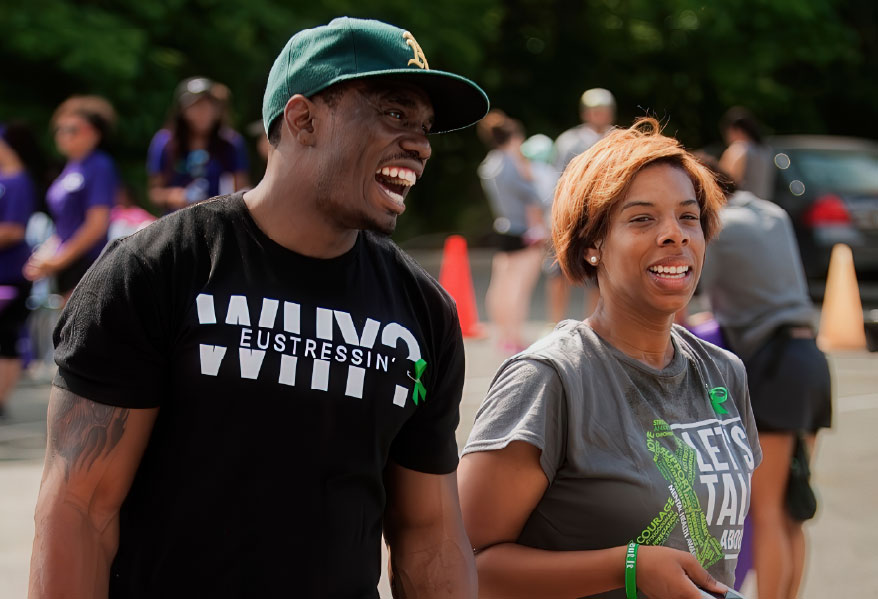
Miller continues, “Just as important, it has allowed us to strengthen the ecosystem around them, equipping coaches, families, and community leaders with the tools to better support youth mental health. More than anything, it has helped us build sustainable systems of care rooted in trust, culture, and community, enabling us to be who our communities need us to be.”
Beginning in 2025, Eustress has expanded its approach, integrating mental health coaching and culturally responsive services into classrooms and athletic programs, while deepening peer-to-peer connections for young people.
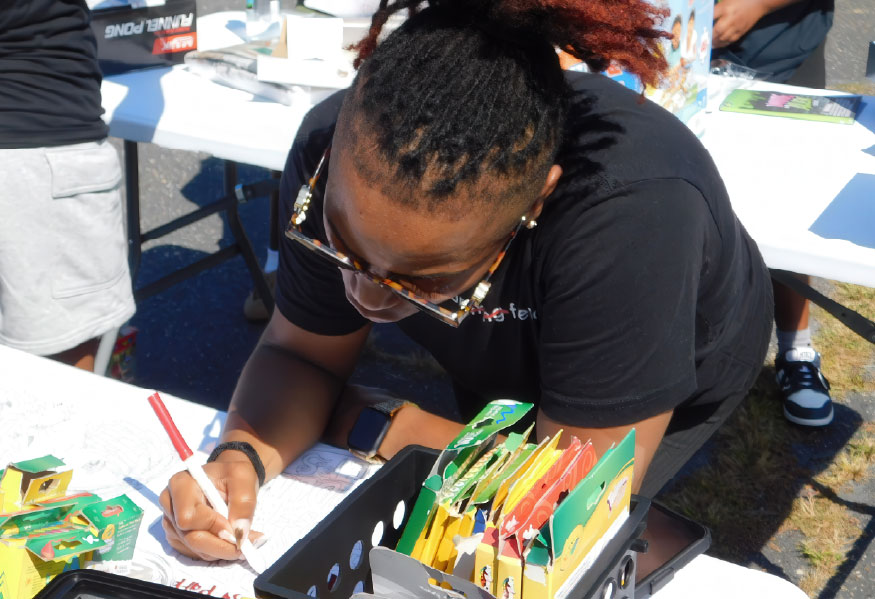
Reducing Barriers to Care for All of North Carolina’s Communities
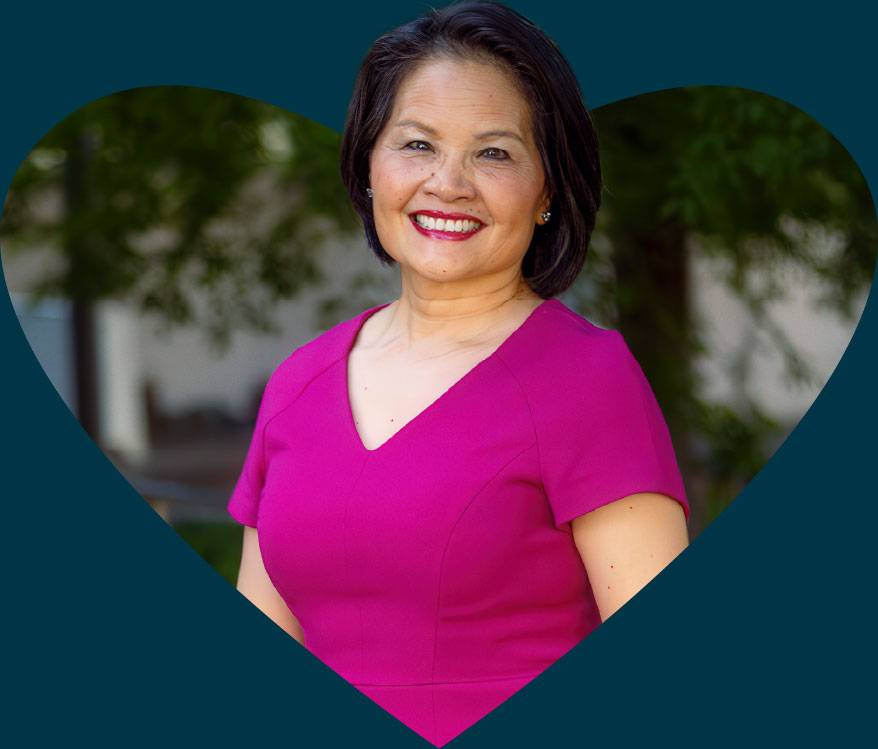
In communities where stigma and limited access to culturally relevant resources can prevent families from seeking help, UCA WAVES (Wellness, Advocacy, Voices, Education, and Support) addresses youth mental health needs among Asian American and Pacific Islander families across multiple counties.
In recent years, UCA WAVES has deepened its programming across Orange, Durham, Wake, Mecklenburg, Forsyth, Guilford, Chatham, and Cumberland counties—advancing Youth Mental Health First Aid, suicide prevention training, and outreach for youth, caregivers, and trusted adults.
In parallel, UCA WAVES is developing educational materials, including hosting youth mental health conferences, and providing access to an AI-powered application (UrSpace & MiSunshine), which provides 24/7 emotional support and Chinese bilingual resources. This initiative has also helped build awareness of early warning signs and strengthen community based support networks for youth and families.
“The Blue Cross NC Foundation’s commitment to building evidence-based solutions has been significant. By investing in community-driven work, the Foundation not only amplifies our voices but affirms our experiences. This support has helped ensure that the realities facing our community are recognized and addressed with intention and care.”
Lily Chen, Executive Director of UCA WAVES
Centering Youth Voices in Prevention
In Western North Carolina, HIGHTS has taken a holistic approach to youth well-being by integrating resources on mental health education, substance use prevention, and youth leadership. Beginning in 2024, support from the Foundation helped HIGHTS expand suicide prevention and substance use education for caregivers, health care workers, and local professionals, while strengthening efforts to steer youth away from the juvenile justice system.
That investment is already translating into real-world impact. One key addition supported through this partnership was the establishment of the HIGHTS Youth Advisory Council, which gives young people a formal role in shaping program priorities and delivery.

“I like that I can be myself and talk about difficult things that I see my friends dealing with—and I’ve had a lot of fun.”
An 11th Grade Council Member
How Community Organizations Are Making a Difference
Community-based organizations like Eustress, UCA WAVES, and HIGHTS are helping families recognize concerns earlier and respond with care rooted in trust. When caregivers, educators, and community members are equipped to recognize early warning signs, they can intervene sooner—supporting young people before challenges escalate into crisis. The result is greater stability for families, stronger long term health outcomes, and less reliance on emergency care. Early intervention doesn’t just benefit families—it relieves strain and reduces costs across the entire health system.

At the heart of Blue Cross NC’s youth mental health work is a focus on reaching families earlier with support, in places they already trust. In practice, this has ranged from partnerships with trusted community organizations, to increasing access to integrated care by changing reimbursements to incentivize mental health services in pediatric care and educating primary care providers about youth mental health, to bringing Youth Mental Health First Aid training across all 100 counties. Together, these efforts are helping ensure support is easier to find, earlier in life, and closer to home.
Ultimately, this approach reduces avoidable strain on how care is delivered—while improving access to timely, quality care—and offers a more hopeful future for young people and families across North Carolina.

Looking Ahead
Across North Carolina, the state’s youth mental health response is being shaped by trusted community organizations supported by partnerships designed to reach youth earlier, strengthen families, and build sustainable and affordable systems of care.
As the Blue Cross NC Foundation marks its 25th anniversary, these partnerships and initiatives reflect both a legacy of collaboration and a continued commitment to ensuring children and youth grow up with the best opportunity to be mentally healthy and thrive.
Looking Ahead
Across North Carolina, the state’s youth mental health response is being shaped by trusted community organizations supported by partnerships designed to reach youth earlier, strengthen families, and build sustainable and affordable systems of care.
As the Blue Cross NC Foundation marks its 25th anniversary, these partnerships and initiatives reflect both a legacy of collaboration and a continued commitment to ensuring children and youth grow up with the best opportunity to be mentally healthy and thrive.
This story is part of the Blue Cross NC Foundation's 25th Anniversary series, spotlighting the partnerships and community leaders driving better health outcomes and more affordable care across North Carolina.
