How Disaster Recovery and Preparedness Shape Health and WellBeing
Blue Cross NC Foundation’s Commitment to Community-Driven Solutions
When Hurricane Helene tore through western North Carolina in the fall of 2024, entire communities were cut off — from power, to roads, and in many cases from food, medicine, and safety. For families already navigating language barriers, geographic isolation, or limited health care access, the storm severed aid and made it more difficult to manage health needs.
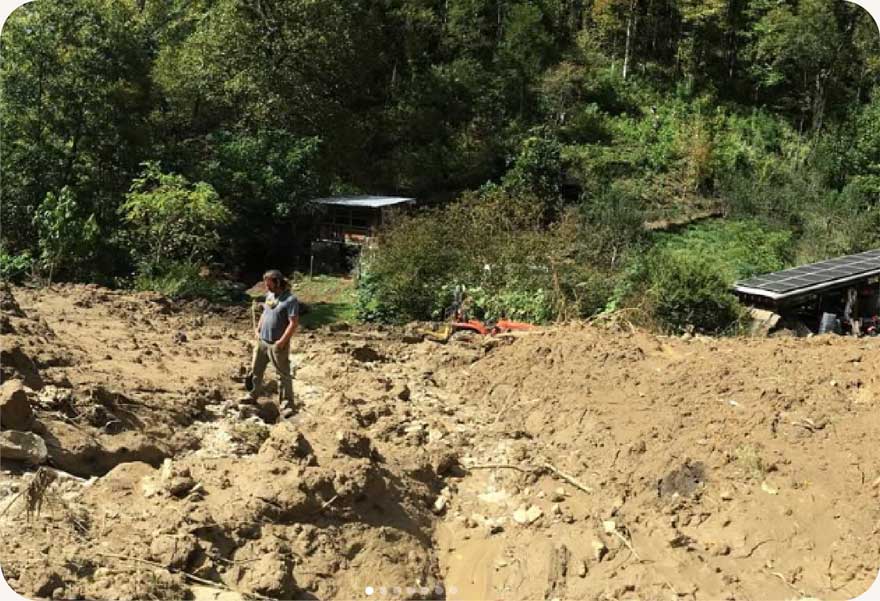
In McDowell County, some families faced language barriers that limited access to timely and critical information. At Two Trees Farm in Canton, like so many others, a farmer lost 70% of crops, equipment and more than half of their field buried in mud. But the devastation was not limited to western North Carolina. In communities across the state, including tribal communities, residents faced significant disruptions to transportation, communication networks, and other critical services.
Natural disasters don't just destroy property. They limit access to food and clean water, damage small business infrastructure and farms, and cut off access to medical care and prescriptions, creating financial and health-related recovery costs that that ripple through communities for years. These disruptions can worsen chronic conditions, delay treatment, and negatively impact overall health and well-being. When people can't meet their basic needs after a storm, the long-term health and economic consequences compound, ranging from injuries from debris or downed power lines during recovery to long-term mental health concerns from the stress of navigating it all. Hurricane Helene, just one example, caused an estimated $78.7 billion worth of damage in Asheville and surrounding communities. Disasters leave a catastrophic impact on our communities, our economy, and our health, which is why we care so deeply.
When communities have both the resources to address urgent needs and the long-term partnerships needed to rebuild, they are better positioned to recover, adapt, and thrive. That's why the Blue Cross NC Foundation invests not only in emergency response, but also in preparedness, recovery, and the local organizations that help communities adapt and rebuild. By strengthening the systems and relationships that support people every day, communities are better equipped to withstand future challenges and recover more quickly when they occur. When communities are prepared and supported through both immediate response and long-term recovery, everyone has a better opportunity to thrive physically, emotionally, and financially.
The Foundation’s Role: Leading Through Partnership with Community Organizations
While every crisis is different, the Foundation's response is rooted in the same principle: support the local organizations already serving their communities. Following Hurricane Helene, Blue Cross NC, the Foundation, and Healthy Blue committed more than $6.8 million across 71 partner organizations in the region to provide relief in the form of hunger and farm recovery, mental health services, and ensure the nonprofits can continue their work.
In addition to a strong response, long before emergency declarations had been issued for Hurricane Helene, Hurricane Matthew and others, local organizations had already built the trust, knowledge, and infrastructure to respond and adapt. To support this work and provide immediate help, the Foundation invested in community partners including Centro Unido Latino Americano, Appalachian Sustainable Agriculture Project and the Great Coharie River Initiative.
Centro Unido Latino Americano
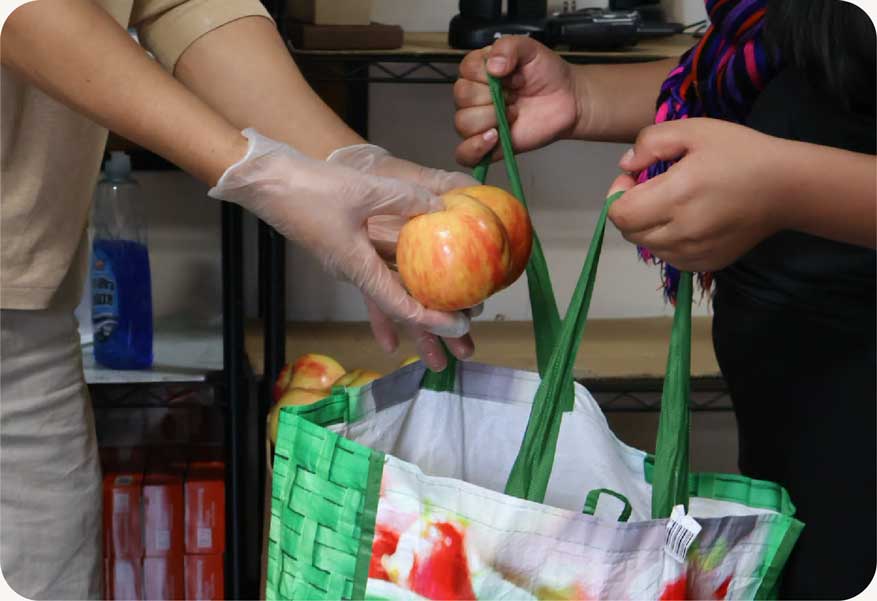
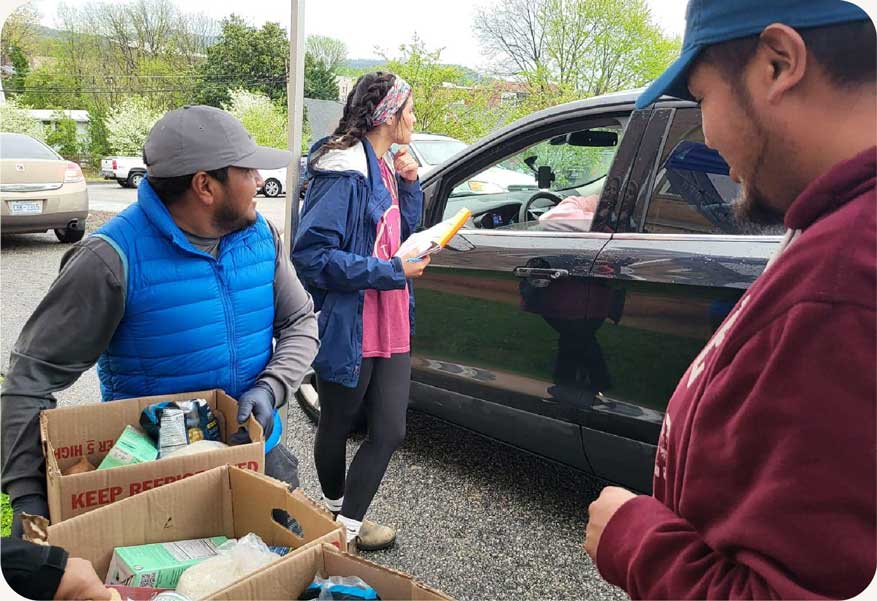
Centro Unido Latino Americano (CULA) in Marion had spent years bridging gaps in language accessibility, food security, and health care for families across McDowell and nearby counties. When Helene hit, CULA paused all regular programming and immediately mobilized daily food distributions, partnering with World Central Kitchen for free meals, and facilitating on-site medical visits and prescriptions for families who were forced to navigate unfamiliar systems during this chaotic period.

“When Hurricane Helene disrupted daily life for families across McDowell County, we saw how language access, food, health care and emotional support are all connected. The Blue Cross NC Foundation’s support allowed CULA to meet families where they were, through bilingual home visits, direct assistance, expanded food distribution and mental health supports. That flexibility helped us respond to urgent needs while helping families begin the longer process of recovery.”
Margarita Ramirez, Executive Director, Centro Unido Latino Americano (CULA)
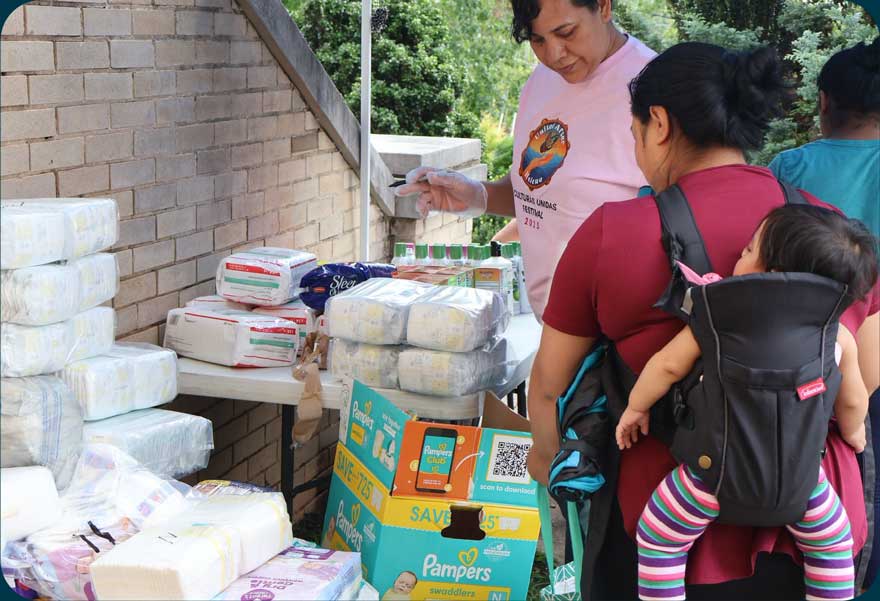
With support from the Foundation, CULA expanded its capacity to help families navigate the challenges of long-term recovery. Funding strengthened the organization's ability to provide coordinated, culturally responsive support across McDowell County, helping families access resources, rebuild stability and address both immediate and ongoing recovery needs. The investment also reinforced CULA's role as a trusted community partner, ensuring Latino families remained connected to critical services as recovery efforts continued.
Appalachian Sustainable Agriculture Project
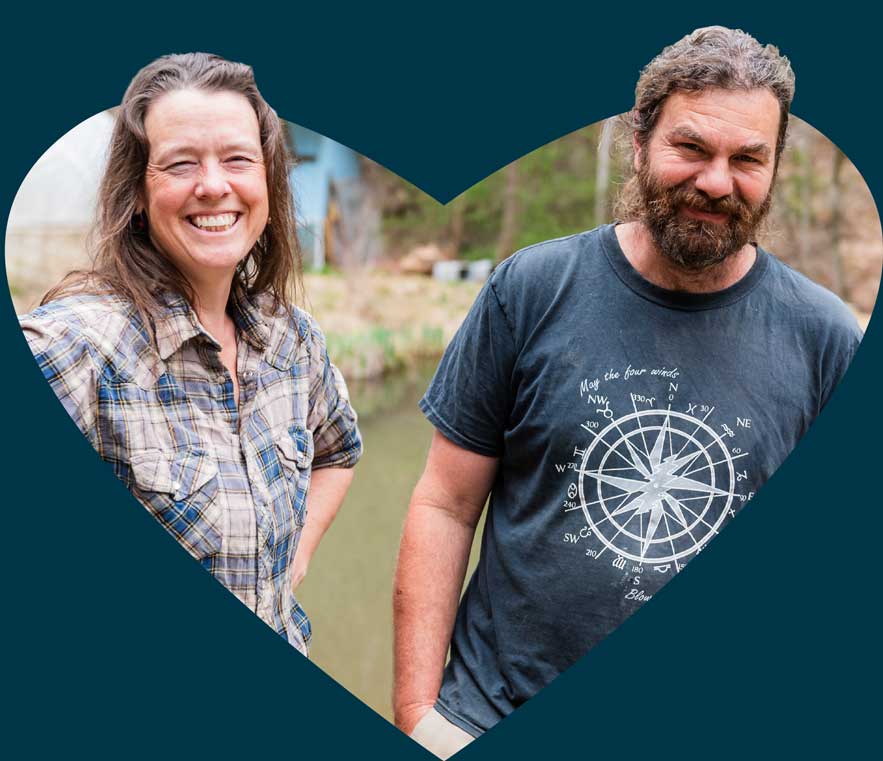
In the wake of Helene’s destruction, the Foundation’s response was not just about emergency relief—it was also about long-term recovery. Local farms are a vital piece in our state’s local food system and economy; yet it is estimated that 86 percent of farms were damaged in the storm. Appalachian Sustainable Agriculture Project (ASAP) is one of the many organizations helping these farms recover and thrive while supporting healthy eating in the community.
ASAP used Foundation support to meet farmers where they were by issuing immediate grants and connecting farmers to sources of financial relief, and by keeping dollars in the local food supply chain, supporting families through produce prescription programs, and Double SNAP for fresh produce all using local products.
“I would love to thank the Blue Cross NC Foundation for their continued involvement in the food prescription program. It is a powerful initiative in our community. Many people rely on it, and it directly benefits us by helping get our high-quality food to local families.”
Sara Martin, Owner and Operator of Two Trees Farm
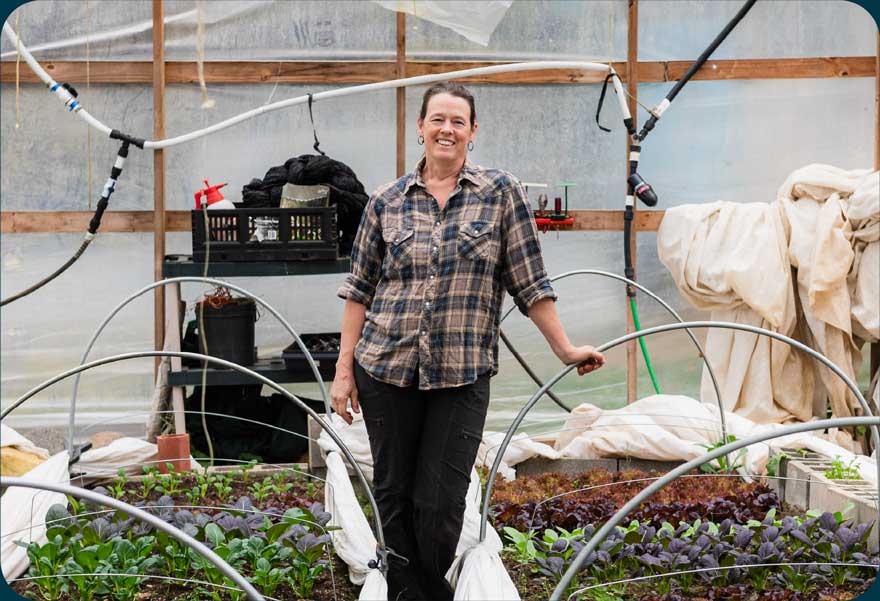
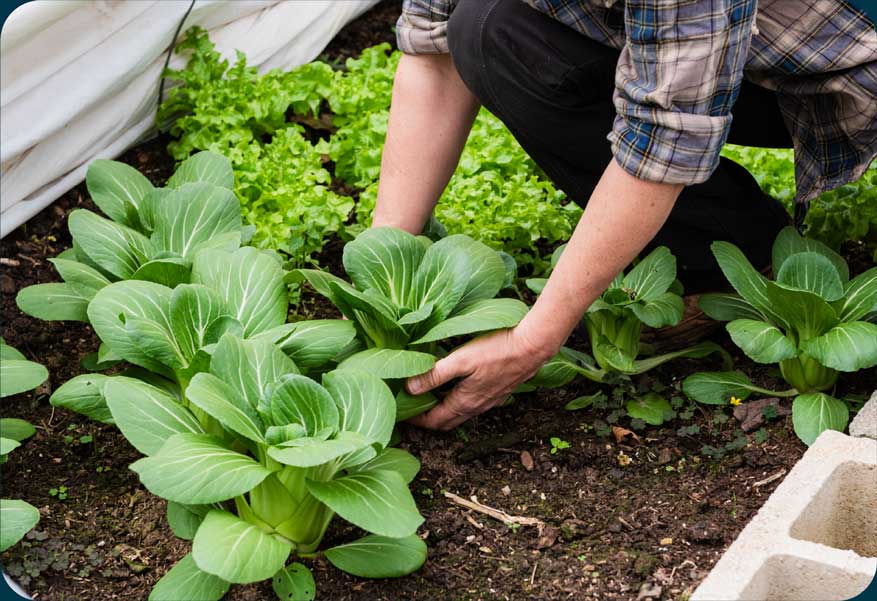
One farm in ASAP’s network is the Two Trees Farm, whose land was buried in a wall of mud five feet deep and lost all crops and income for the rest of the year. Through programs such as Double SNAP and Produce Prescription benefits, the farm played an important role in making fresh, locally grown food more accessible to community members.
Sara's story is one of many examples of how ASAP and the Foundation supported farms immediately following Helene and is a testament to real outcomes and a stronger system with community-based organizational support.
The Coharie Tribe & NC Inclusive Disaster Recovery Network
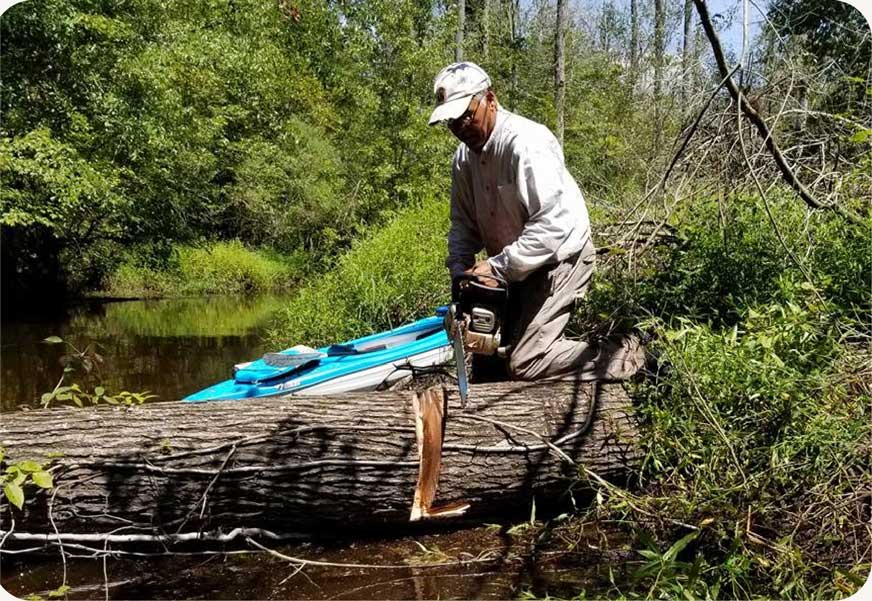
The Coharie Tribe in Sampson County had been fortifying their community to promote disaster resilience for years through the Great Coharie River Initiative. What began as a volunteer effort to clear river blockages grew into a movement that has restored more than 150 miles of waterways. Their work paid off in measurable ways: after Hurricane Matthew in 2016, main roads were underwater for three days. Just two years later, due to Coharie cleaning efforts, roads were passable after a day and a half following Hurricane Florence, despite dropping higher levels of water.
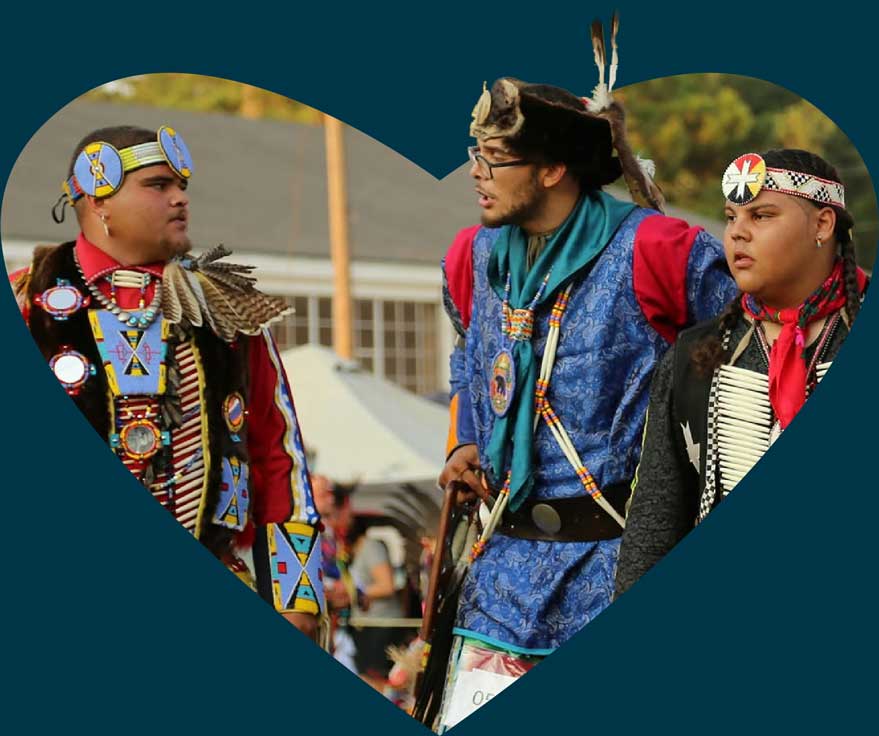
With support from the Foundation, the Coharie Tribe expanded its efforts to build long-term community resilience and disaster preparedness. Foundation funding helped strengthen planning and capacity-building efforts that informed the development of the Tribe's community "Lighthouse," a future solar-powered resilience hub where residents will be able to shelter during emergencies, charge medical equipment, and access essential resources. The investment also supported the Tribe's broader work to advance flood mitigation and preparedness strategies, helping position the community to attract additional resources and partnerships, including support through the Rockefeller Foundation's Cooling Communities Network and research collaborations with NC State University.
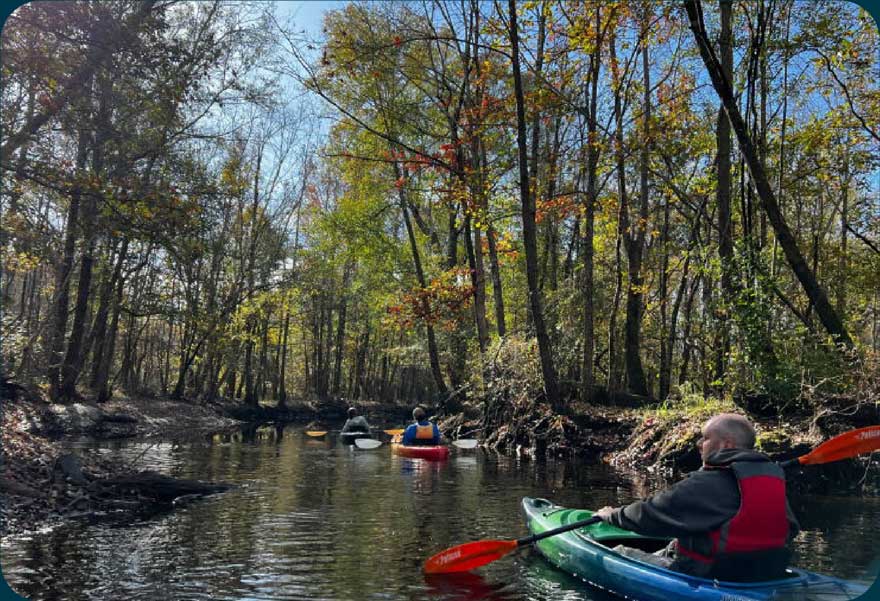
Our commitment to disaster resilience extends beyond immediate recovery efforts. Through its past support of the NC Inclusive Disaster Recovery Network (NCIDR), the Foundation helped strengthen statewide preparedness and recovery capacity by investing in trusted local networks that work year-round to support communities before, during, and after disasters. This approach helps ensure communities are better positioned to maintain access to essential services when disasters strike.
Connecting Disaster Preparedness to Healthier, More Affordable Care
These are just a few of the countless organizations who step up for their communities in the wake of a crisis. Every family that receives bilingual case management; every elder who accesses supplies through a trusted hub; every road kept open and waterway cleared helps prevent small challenges from becoming larger health and safety concerns. By investing in preparedness, recovery, and community-led solutions, the Foundation helps improve health outcomes, strengthen resilience and reduce the long-term costs communities face after a disaster.
What’s Next
As the Foundation marks 25 years, its disaster response and preparedness work reflects a legacy of adaptability and a commitment to resilience. From western mountain communities to coastal plains, we remain dedicated to investing in the leaders who know their communities best, building systems that don't just respond to the next storm, but help prevent its worst consequences for individuals and communities.
This story is part of the Blue Cross NC Foundation's 25th Anniversary series, spotlighting the partnerships and community leaders driving better health outcomes and more affordable care across North Carolina.
