Strengthening Access to Care with Free & Charitable Clinics
Blue Cross NC Foundation’s Commitment to Community-Driven Solutions
A woman in her 30s arrived at a free clinic barely able to walk. An unsuccessful knee surgery had left her in excruciating pain. She lost her job and her insurance. She nearly lost her hope. “If you can’t help me,” she told the staff, “I don’t think I can keep going.”
Her story reflects a reality facing hundreds of thousands of North Carolinians. When health care is too expensive, they delay treatment until conditions become expensive emergencies — leading to worse health outcomes despite the higher costs.
In rural and underserved communities, workforce shortages, limited providers, and coverage and administrative confusion leave too many patients without the care they need when they need it most. Costs are a key factor with 19% of households of reporting health care costs are a major financial burden.
26%
of adults report having skipped a
doctor-recommended evaluation, lab test,
or procedure due to high costs
40%
of North Carolinians live in one of the state’s 80 rural
counties, which see much higher rates of uninsured
patients and a lack of facilities to access care
of North Carolinians live in one of the state’s 80 rural counties, which see much higher rates of uninsured patients and a lack of facilities to access care
When access is limited, care shifts to more expensive settings like emergency departments and inpatient care. The Blue Cross NC Foundation endeavors to break down these barriers to care, and expand access to trusted, affordable, high-quality, prevention-focused services across the state. Why? Because when people can access preventive, coordinated, and community-based care, they stay healthier and avoid higher-cost interventions later. North Carolina’s Free and Charitable Clinics are one of the Foundation’s critical partners in this initiative.
The Foundation’s Community-Informed Support

These clinics serve as a trusted point of care for people who fall through the cracks: the uninsured and working families managing chronic disease without a safety net. Two decades ago, most of these clinics operated entirely through volunteer efforts to provide basic health care. But the leaders running them knew their communities deserved more. They envisioned a network capable of providing comprehensive, high-quality health care. They just needed the right partner to help them get there.
The Foundation saw the potential in this model. In 2004, the Foundation made a historic investment to support the growth of the network of clinics statewide and the capacity of their association to support them. That decision transformed what clinics could offer: continuous care, expanded services, and a platform for long-term growth.
“That investment was a game changer. It allowed us to move from an all-volunteer model to truly comprehensive care.”
April Cook, CEO, North Carolina Association of Free & Charitable Clinics
A second major investment went even further: together with the Foundation, clinic leaders co-designed a groundbreaking outcomes survey, leveraging volunteers from Blue Cross and Blue Shield of North Carolina (Blue Cross NC) to help turn individual clinic data into meaningful insights to drive improvements. What started as a seven-page form grew into a tool that was able to track health outcomes, financial performance, and quality of care, making North Carolina Free and Charitable Clinics the first in the nation to measure outcomes in a systematic way. This didn’t just improve clinical operations; it legitimized the network with other funders and demonstrated what community-based health care could achieve at scale.
It also helped to illustrate how the Foundation’s community-first approach works in practice: prioritizing listening, investing strategically, and bringing all of Blue Cross NC’s resources to bear in partnership with organizations that are already up and running.
Partnership in Action: From Crisis Response to Comprehensive Care
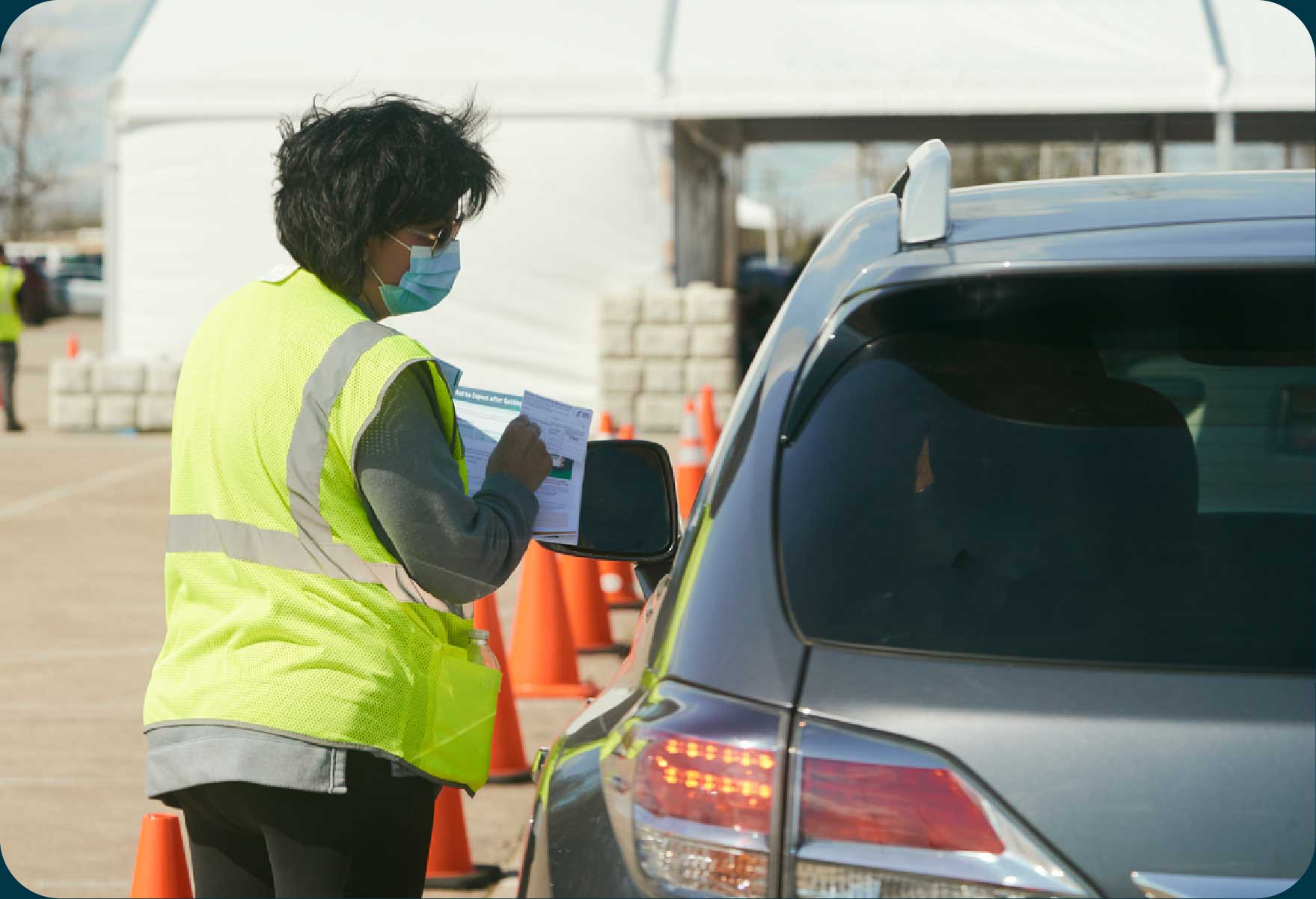
Over 20 years, the partnership evolved based on the priorities of the clinics — from the initial focus on expansion, to improving quality and the types of services provided, and supporting the adoption of new technology across the network. The partnership has empowered clinics to expand beyond basic services and into behavioral health, oral health, financial models, and regional care models spanning 80+ counties. Today, North Carolina’s 70 free and charitable clinics and pharmacies serve nearly 62,000 patients each year.
When COVID-19 hit, these clinics pivoted to telemedicine faster than many private practices, became vaccination hubs for entire communities, and were able to more easily access federal relief funding — all thanks to years of partnership that had gradually built the infrastructure and credibility to respond to the pandemic at scale.
But the most powerful proof comes from the people. The woman who arrived unable to walk? Clinic staff connected her to a surgeon who repaired the damage at no cost. Months later, she paid them a visit. “I just got back from a four-mile hike in the mountains,” she said. “Because of you, I have my life back.”
Her story is one of thousands that illustrate how access to care can transform lives, strengthen families, and create lasting change in communities across North Carolina.

“It’s not just a program. It’s creating systemic change.”
How Community Investment Leads to More Affordable Care
When people have access to trusted primary, preventive, oral, and behavioral health care, they are far less likely to rely on emergency room visits to treat issues that could have been caught sooner. That early intervention keeps costs down —estimated system-wide hospital emergency department diversion savings came to more than $349 million. And for the patients receiving services earlier, access to primary care lowers hospitalizations by 20% and ER visits by 11%. Every trip to the clinic instead of the ER; every screening that uncovers a condition early before it escalates; every patient who stays connected to reliable care relieves pressure on the bigger system and contributes to more affordable health care for everyone.
A key pillar of the Blue Cross NC Foundation’s work around access to care is to increase and improve the places people receive that care. The Foundation’s investment in these clinics is an investment in the individuals served by these critical sources of care every day.
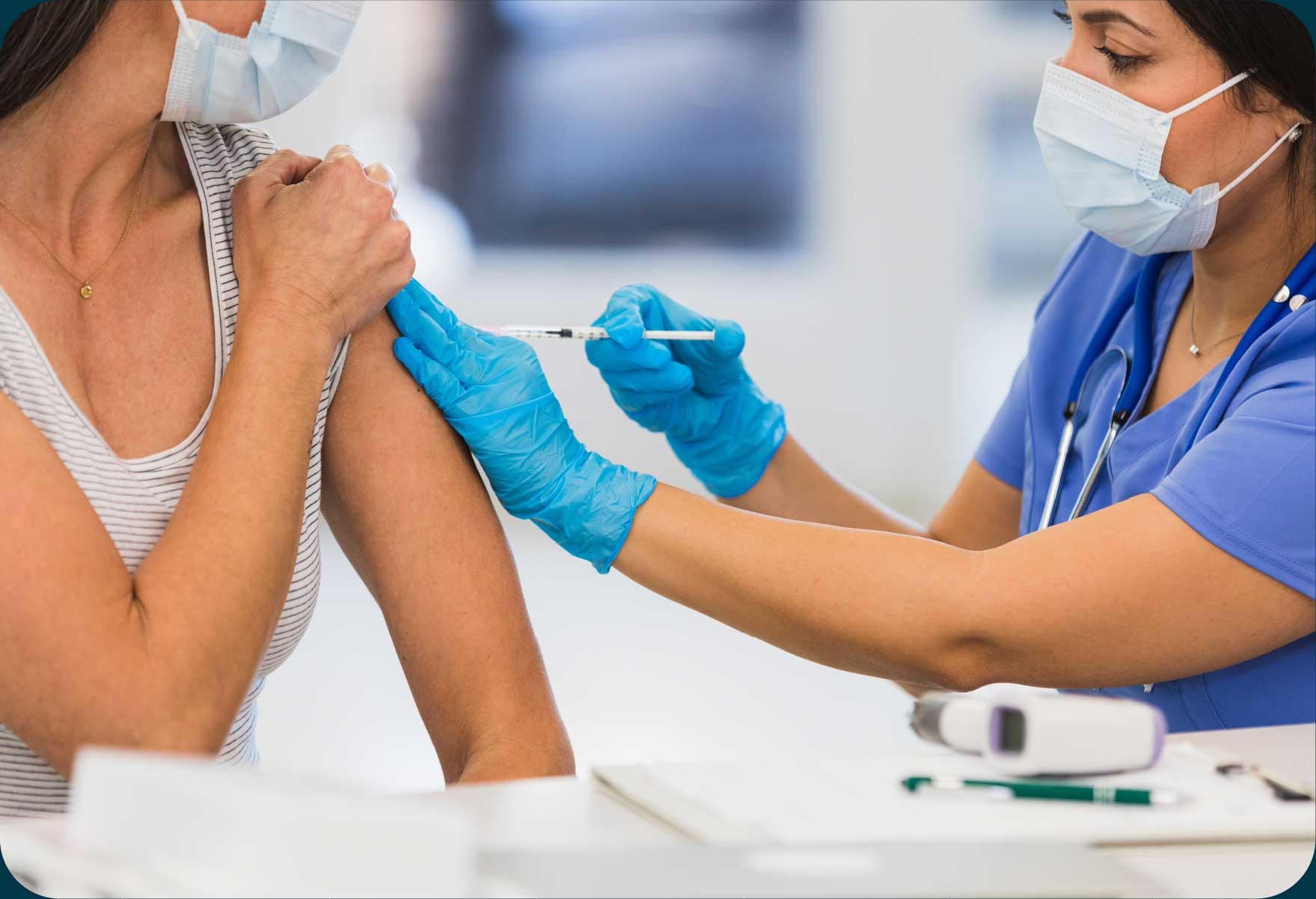
Of course, clinics face challenges of their own. Even as access to coverage has expanded for some, affordability remains a significant barrier to care for many North Carolinians. North Carolina’s Free and Charitable Clinics provide a critical pathway to trusted, community-based care, helping people get the services they need before health concerns become more serious and costly. Despite rising demand, the clinics remain resilient.
What’s next? The Foundation’s current three-year investment is expanding both the reach and capacity of North Carolina’s statewide safety-net system. This includes extending clinic presence toward all 100 counties, with targeted expansion into 13 currently unserved areas—and will launch three new mobile primary care and dental programs from 2026 to 2028, bringing care directly to communities with the greatest need.
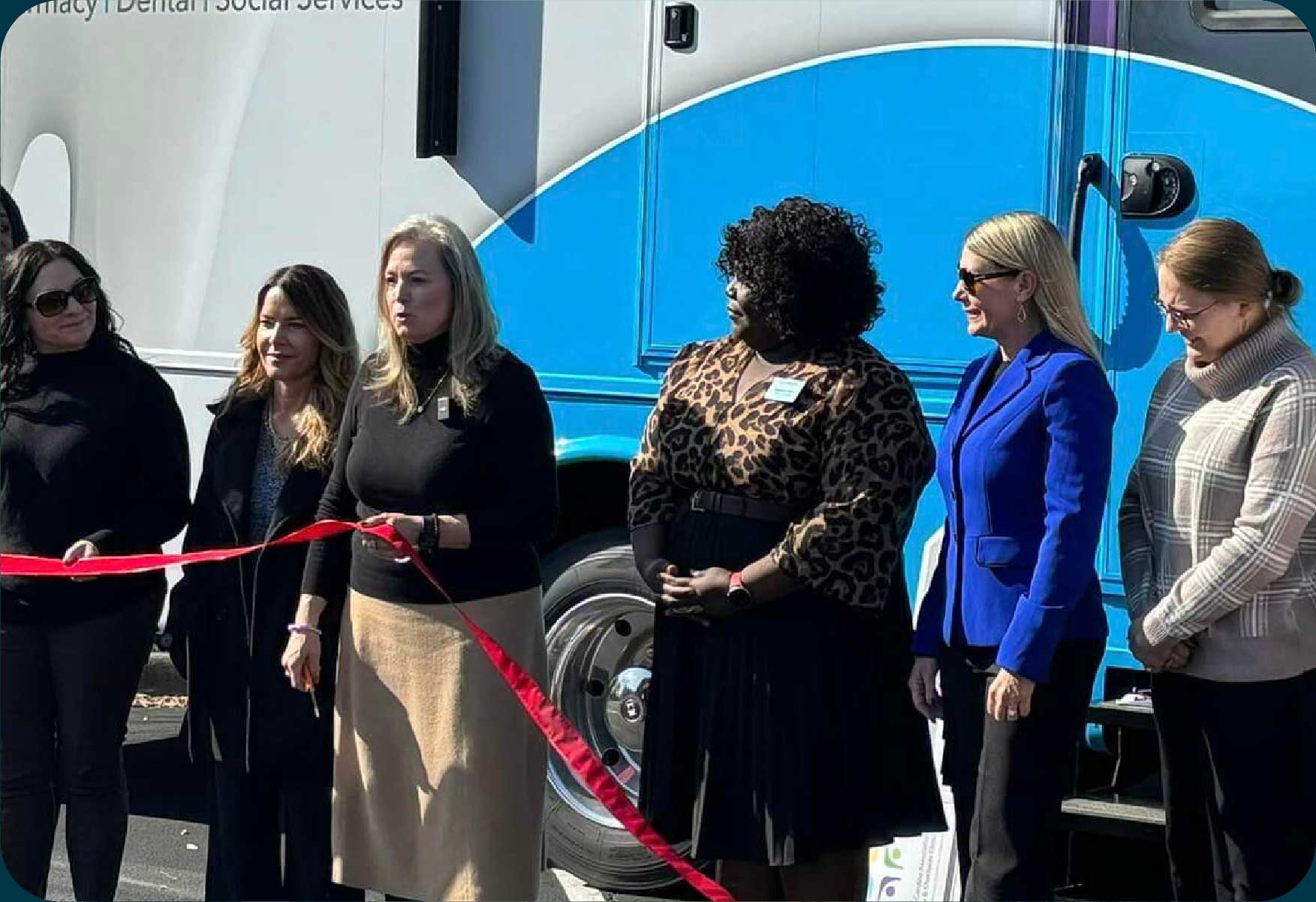
As the Blue Cross NC Foundation marks 25 years, we celebrate the critical work being done to broadly improve access to care across the state. Partnerships like this one reflect both a legacy of collective impact and a continued commitment to ensuring every North Carolinian faces fewer barriers to the services they need. By leading through partnership, the Foundation is helping to foster a health care system that works for everyone.
This story is part of the Blue Cross NC Foundation's 25th Anniversary series, spotlighting the partnerships and community leaders driving better health outcomes and more affordable care across North Carolina.
